
The digital art revolution has birthed a new era of ultra-valuable intangible assets, where $69 million JPEGs and virtual land parcels sell for more than Manhattan penthouses. From Beeple’s record-breaking “Everydays” to Snoop Dogg’s metaverse empire, NFTs have redefined ownership, art, and investment in the 21st century.
What makes a digital token worth millions? We explore the most expensive NFTs ever sold, the tech and cultural forces driving their value, and why collectors are betting big on blockchain-based bragging rights.
1. Beeple’s “Everydays: The First 5000 Days” – $69.3 Million
History & Significance
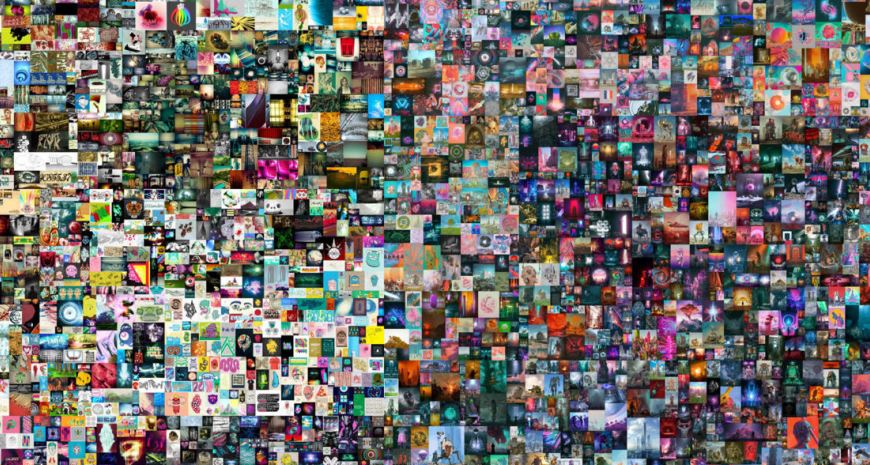
This collage of 5,000 daily digital artworks by Mike Winkelmann (Beeple) made history as the first NFT sold at Christie’s (March 2021). It marked NFTs’ arrival in mainstream art.
Price & Rarity
- Sale Price: $69,346,250 (Christie’s)
- Why So Valuable?
- Represents 13+ years of daily artistic discipline
- First purely digital artwork at a major auction house
- Owned by crypto investor MetaKovan
Where to View It
- MakersPlace (via NFT token)
- Virtual exhibitions at metaverse galleries
2. “The Merge” by Pak – $91.8 Million
History & Significance
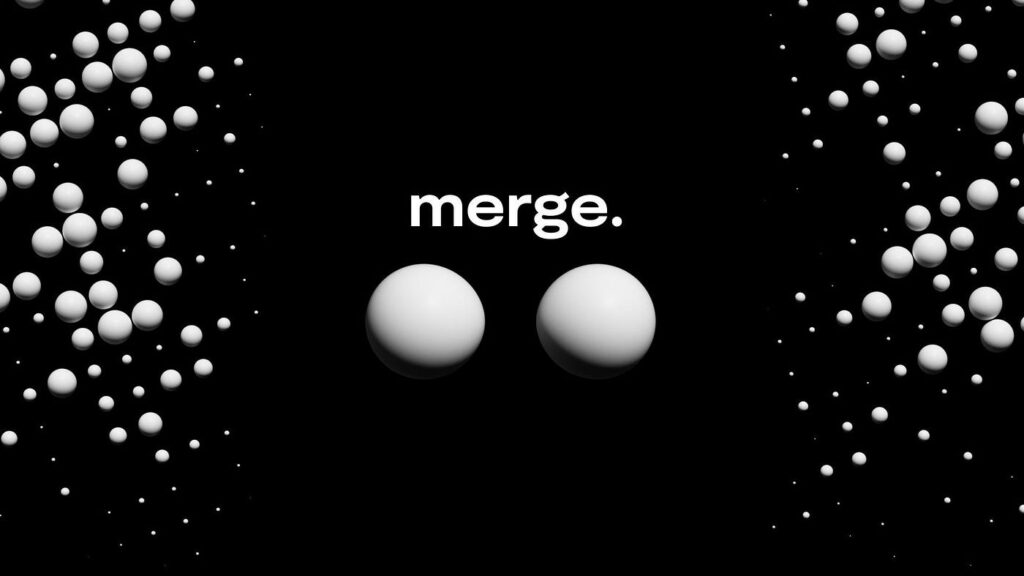
This mass-participation NFT art project (December 2021) allowed buyers to merge digital “masses”, creating unique collector tiers.
Price & Rarity
- Total Sales: $91.8 million (from 28,983 buyers)
- Why So Valuable?
- Largest NFT sale by total value
- Dynamic artwork evolves with ownership changes
- Mysterious artist Pak is crypto-famous
Where to Buy/Trade
- Nifty Gateway marketplace
3. CryptoPunk #5822 – $23.7 Million

History & Significance
One of 10,000 algorithmically generated “Punks” (2017), this alien-type NFT with blue skin and a headband is among the rarest.
Price & Rarity
- Sale Price: $23.7 million (2022)
- Why So Valuable?
- Only 9 Alien Punks exist
- Considered the “Mona Lisa of NFTs”
- Owned by Chain CEO Deepak Thapliyal
Where to Buy Similar
- Larva Labs (original creators)
- OpenSea secondary market
4. Decentraland “Fashion Street Estate” – $2.4 Million
History & Significance
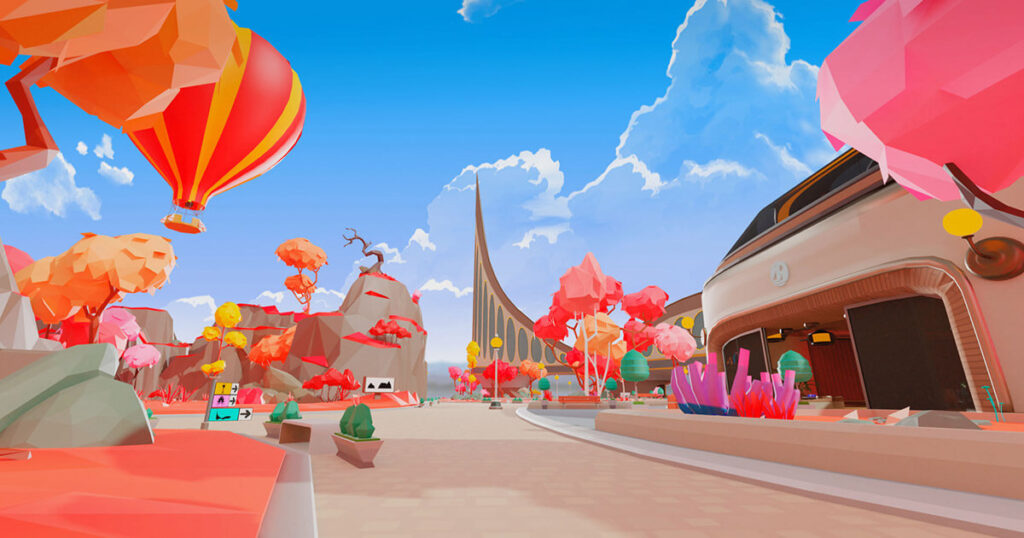
This virtual land parcel in the Decentraland metaverse (116 parcels) was bought to host digital fashion shows.
Price & Rarity
- Sale Price: $2.4 million (MANA tokens)
- Why So Valuable?
- Prime location near Genesis Plaza
- Used by brands like Dolce & Gabbana for metaverse events
- Limited supply of 90,601 LAND parcels
Where to Buy Virtual Land
- Decentraland Marketplace
- Sandbox LAND sales
5. “Clock” NFT (Assange Legal Defense) – $52.7 Million

History & Significance
This crowdfunded NFT (2022) counts seconds of Julian Assange’s imprisonment, raising funds for his legal defense.
Price & Rarity
- Total Value: $52.7 million (in ETH donations)
- Why So Valuable?
- Largest crowdfunded NFT ever
- Political statement + digital art hybrid
- Counts in real-time (over 19M seconds when sold)
Where to View It
- PleasrDAO collection
Conclusion: The Digital Gold Rush of Our Era
These record-breaking NFTs prove that value is no longer bound by physical form—what we own is increasingly defined by blockchain receipts rather than tangible possessions. From Beeple’s $69M digital collage to virtual land selling for millions, these transactions represent more than just art or assets—they signal a cultural shift in ownership, status, and investment.
For collectors, NFTs offer bragging rights in the metaverse. For artists, they provide unprecedented monetization. And for speculators? They’re the ultimate high-risk, high-reward gamble in an evolving digital economy.
As the market matures, one thing is certain: NFTs have permanently altered how we define—and pay for—scarcity in the internet age.